Edina Niculescu

Tekniska Sensory Map

A live sensory map that improves accessibility for people with hearing impairments by providing an overview of the sound levels throughout The National Museum of Science and Technology.

Target Group

People with hearing impairments visiting The National Museum of Science and Technology

Goal

Improve accessibility in the museum

Team

4 designers

Duration

2 months

The Problem

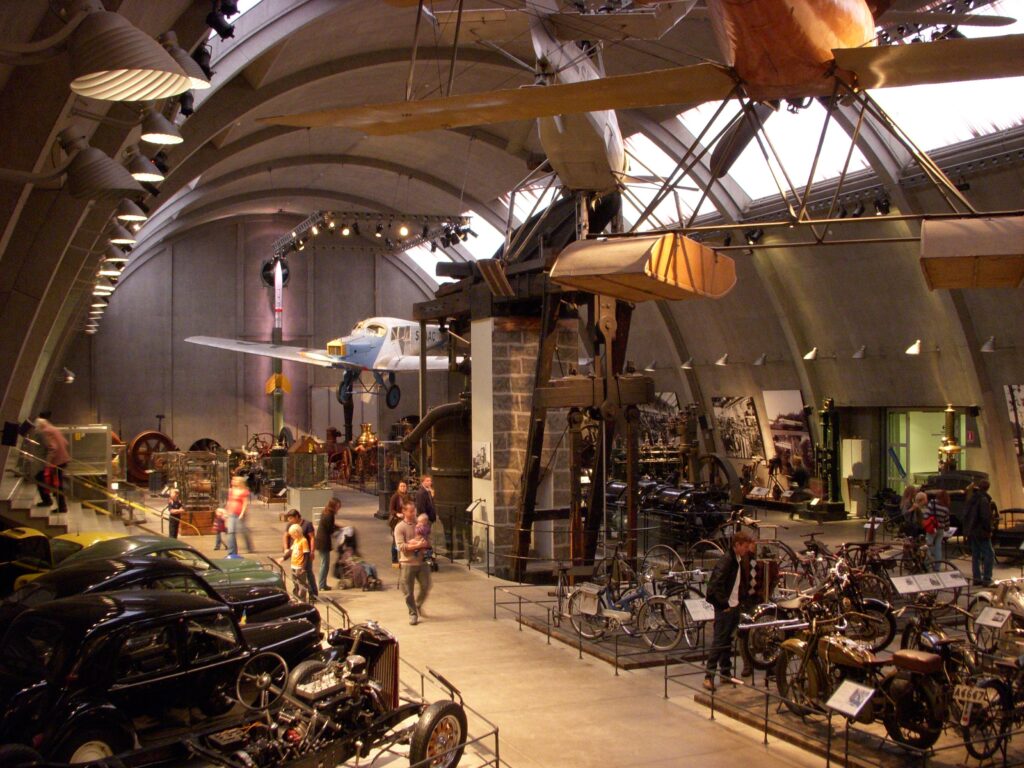
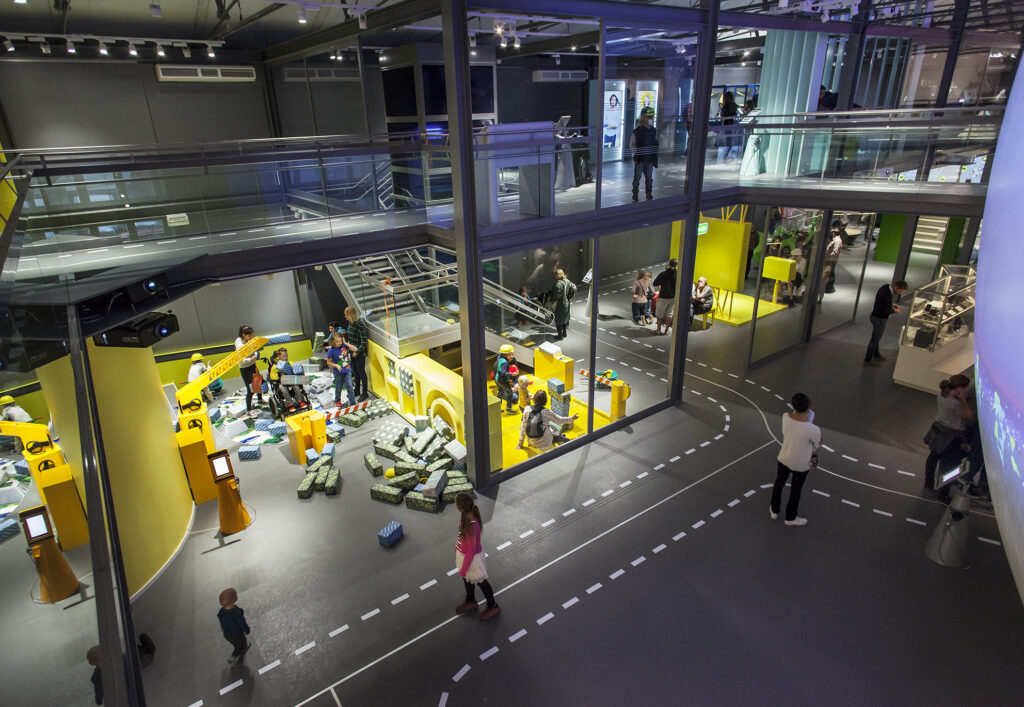
The National Museum of Science and Technology features an open-plan layout across four floors. Most exhibitions are interactive, encouraging guests to engage and experiment with them. The museum caters to both children and adults and includes a restaurant and a café. Due to the open-plan concept, sound levels can become very loud, as many exhibitions have audio output. The sounds from different exhibitions blend together, creating a constant loud background noise.

Our Solution

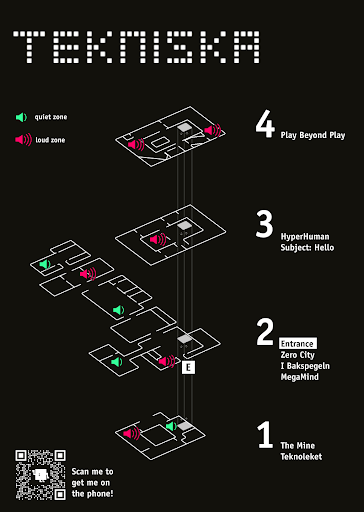
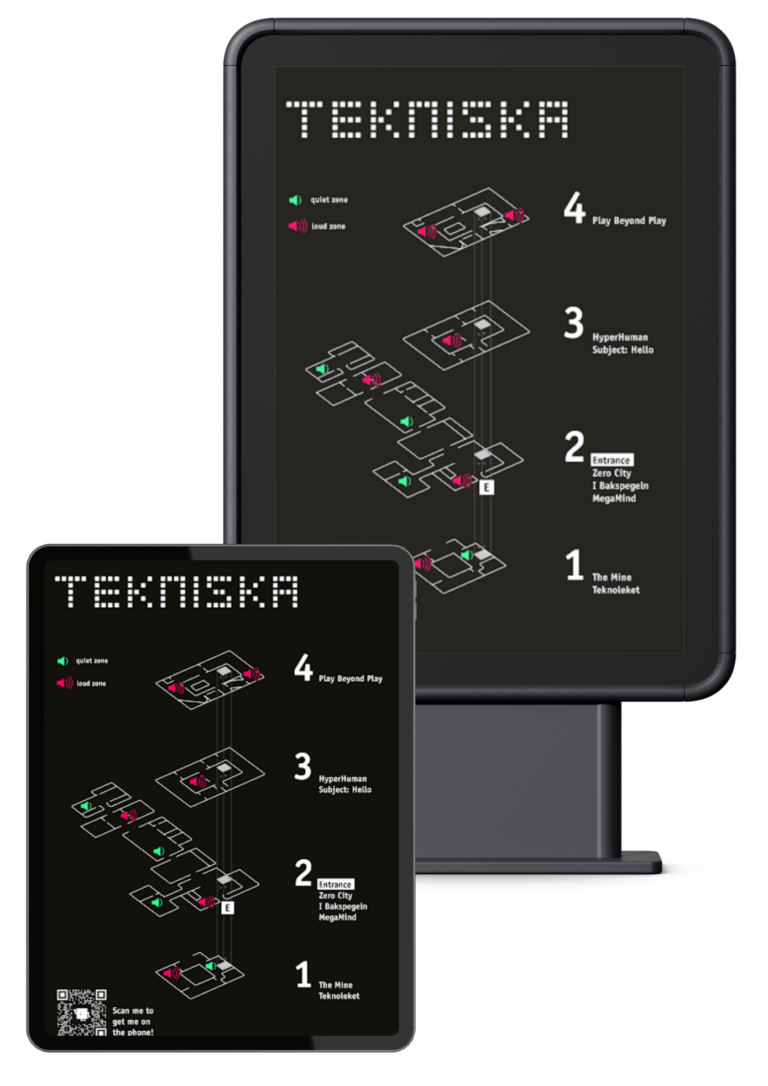
Our concept includes sound-level detectors spread throughout the museum and a live sensory map displaying real-time sound levels.

Design Process

1. Discover

Museum visit

Literature analysis

User Interviews

2. Define

Research question

3. Develop

Sketching

User Feedback

Digital prototype

4. Deliver

Final concept

Museum Visit

During the museum visit, our group was accompanied by a person with a hearing impairment to better understand their experience. The participant had different hearing impairments in each ear: one ear had a cochlear implant, while the other did not. The participant identified their main issue: the sound levels from both exhibitions and people talking prevented them from having conversations with their companions. We then explored the museum on our own to assess the impact of these issues on people with hearing impairments. We discovered another significant problem: the museum had no map, making it impossible to find quieter spaces for conversations.

Literature Analysis

According to the World Health Organization (WHO) statistics, 2.5 billion people are projected to have some degree of hearing loss by 2050 (World Health Organization 2021) making this a very relevant topic. People with a hearing impairment experience fatigue for multiple reasons relating to their impairment caused mostly by tiredness and weariness and frustration and stress during conversations with others. Because of this fatigue, they describe a need for breaks and recovery (Holman et al. 2019).

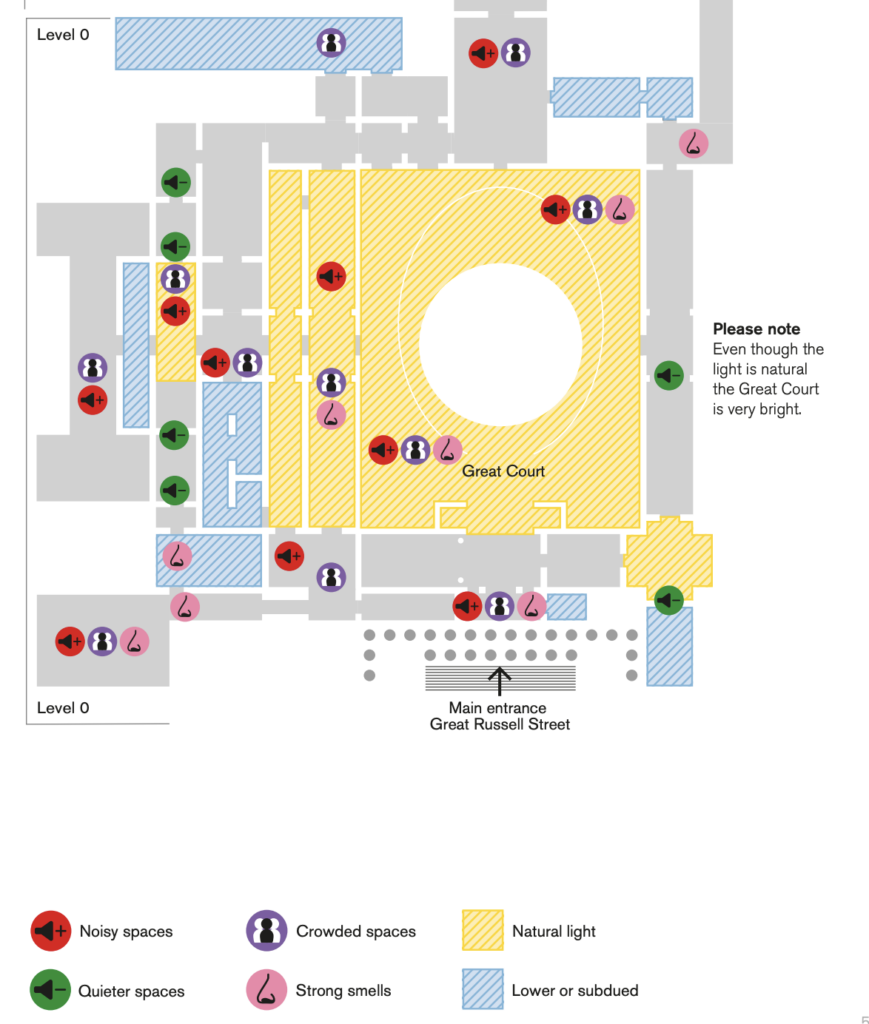
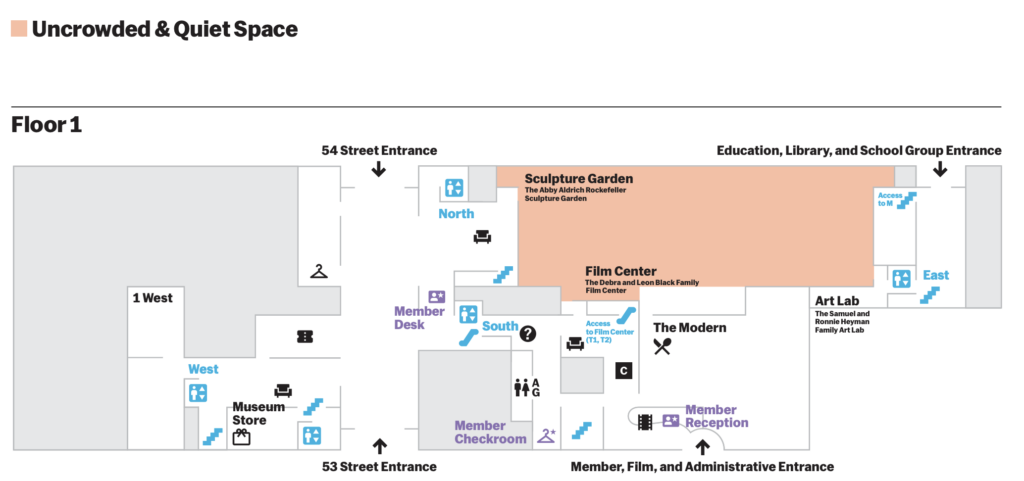
Sensory maps are used in museums such as The Museum of Modern Art (MoMA) in New York City (MoMA 2023) and The British Museum in London (The British Museum 2023) to help visitors identify sensory-friendly places in museums. They are visualizations of the spaces within these places that incorporate information about stimuli that can be perceived in certain areas and the intensities thereof.
 

User Interviews

We interviewed two participants with different hearing impairments, one with a cochlear implant. Neither participant was completely deaf, both experienced some level of hearing. We chose these participants because, after our literature review and museum visit, we found that individuals with partial hearing often face significant challenges in conversations, leading to frustration and fatigue. We wanted to understand what could help alleviate these issues. Our key insights are as follows:

 #1

Volume is the most disturbing character of a sound, whereas tone and pitch are secondary.

#2

If the surrounding noises are too loud, it takes a lot of energy for them to go about their daily life, often leaving them feeling drained.

#2

The ability to connect the exhibitions to their cochlear implants significantly enhances their experience by allowing them to hear more clearly.

How can the stress of being in a high-volume environment be alleviated and the museum experience be made more pleasant for those with hearing impairments?

Sketching

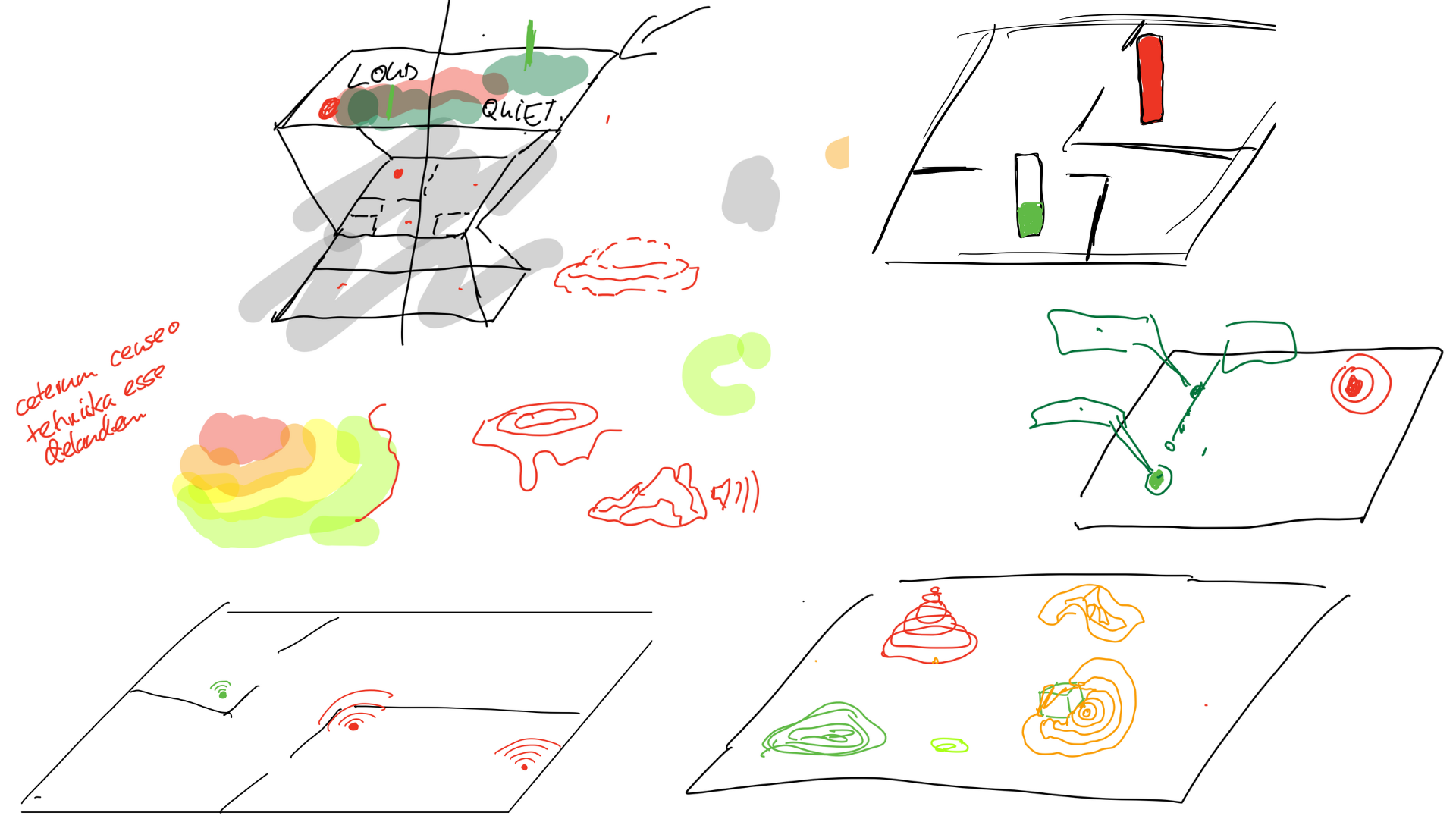
We couldn’t change the museum environment, but we could raise awareness among visitors about sound levels in the museum. We took inspiration from sensory maps used by other museums, which effectively highlight sensory-friendly areas. However, we discovered during our visit that sound levels varied significantly throughout the day, making a static sensory map sometimes inaccurate. This led to the idea of creating a live map displaying real-time volume levels throughout the museum.

Key Feedback from Users

We took these sketches to the same participants that we conducted the interviews with and learned that a more intuitive, less artistic approach is more suitable. Participants also mentioned that phone access would be helpful so that they can access the map at any point. 

Digital Prototype

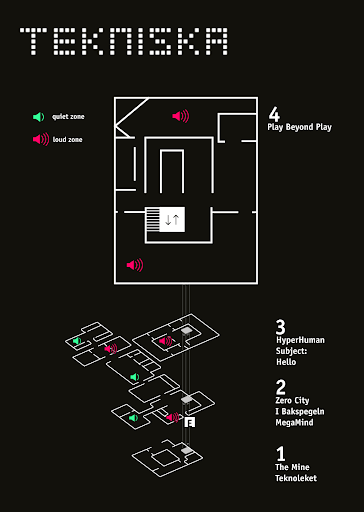
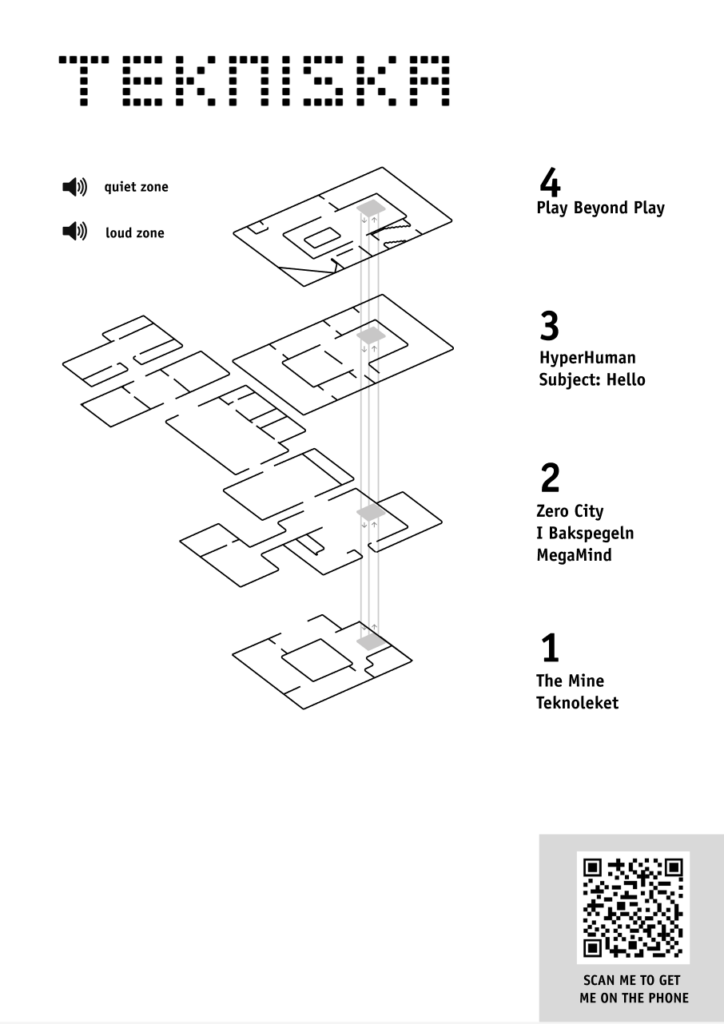
The National Museum of Science and Technology does not provide visitors with a map, so we had to create one ourselves using Figma and a 3D outline provided by the museum. Instead of the more complex methods of representing sound, we opted for simple speaker icons that would be easily understandable by most users. We used the museum’s official design system when it comes to the font and colour palete.

Final Concept

Our final concept includes sound-level detectors spread out throughout the museum. Screens with the map showing the live sound levels will be installed at the entrance and on all floors so that visitors can get an idea of the sound volume throughout the museum when they arrive. On each map, there will be a QR code for visitors to scan and bring the map with them on their phones. This concept was presented at the National Museum of Science and Technology in Stockholm.

Challenges and Learnings

1. The importance of universal design

Prioritising universal design in the early stages of product development is crucial. By focusing on accessibility from the start, you can avoid the need for later adaptations and ensure that the product is usable by a diverse range of users.

2. User research involving impairments requires an especially sensitive and empathetic approach

Conducting user research with individuals who have physical or mental impairments requires a sensitive and empathetic approach. These users have often been overlooked in design decisions and have faced significant challenges due to their impairments. It’s crucial to approach this research with empathy, recognising that these individuals provide insights that designers may never fully grasp, having not experienced similar challenges.